Diamond Pendants and Necklaces
Diamond pendants and necklaces from Alan Bick, in natural or lab-grown stones, gold or platinum, from Hatton Garden. Book a showroom visit.
Prices include VAT. Each piece’s own page has its details.
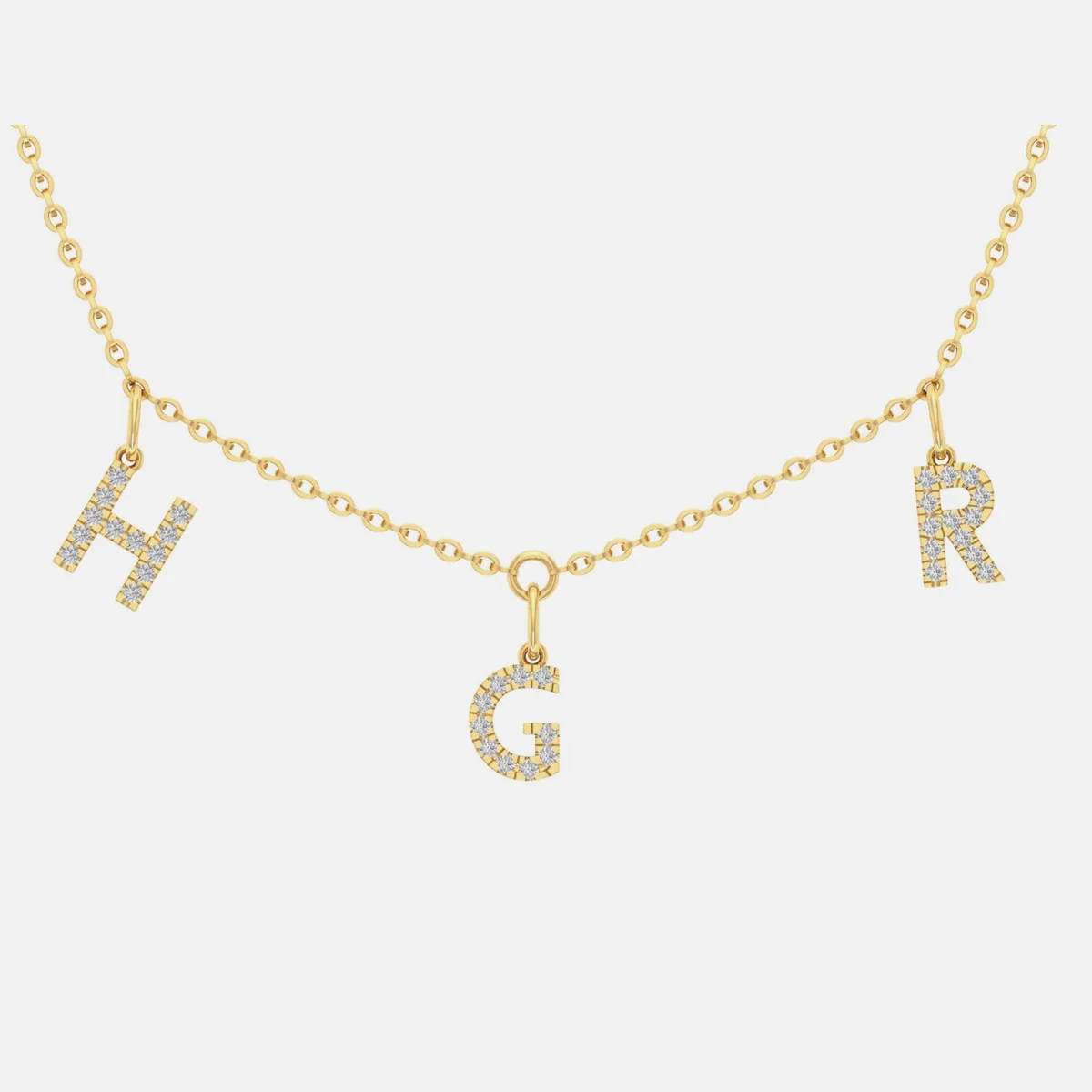
Gemma
Diamond initial necklace · up to five letters
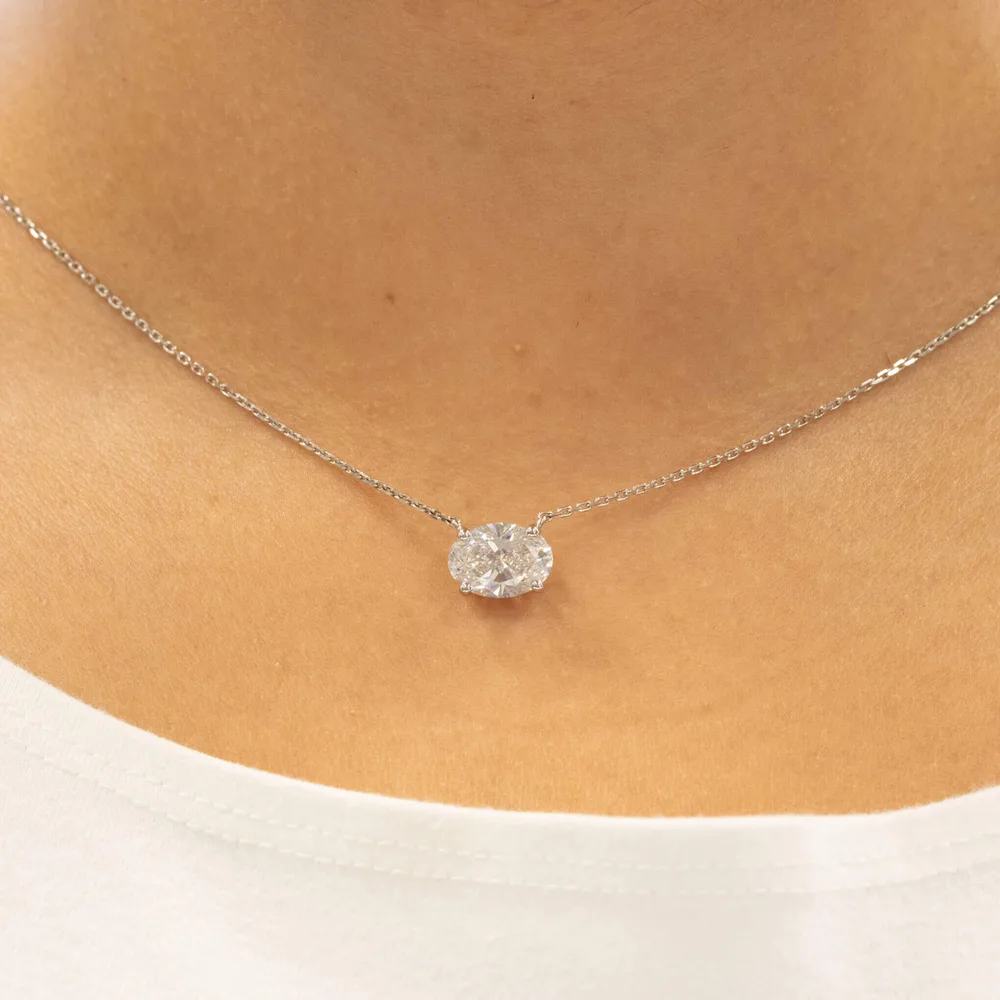
Melania Solitaire
Diamond necklace · natural or lab-grown
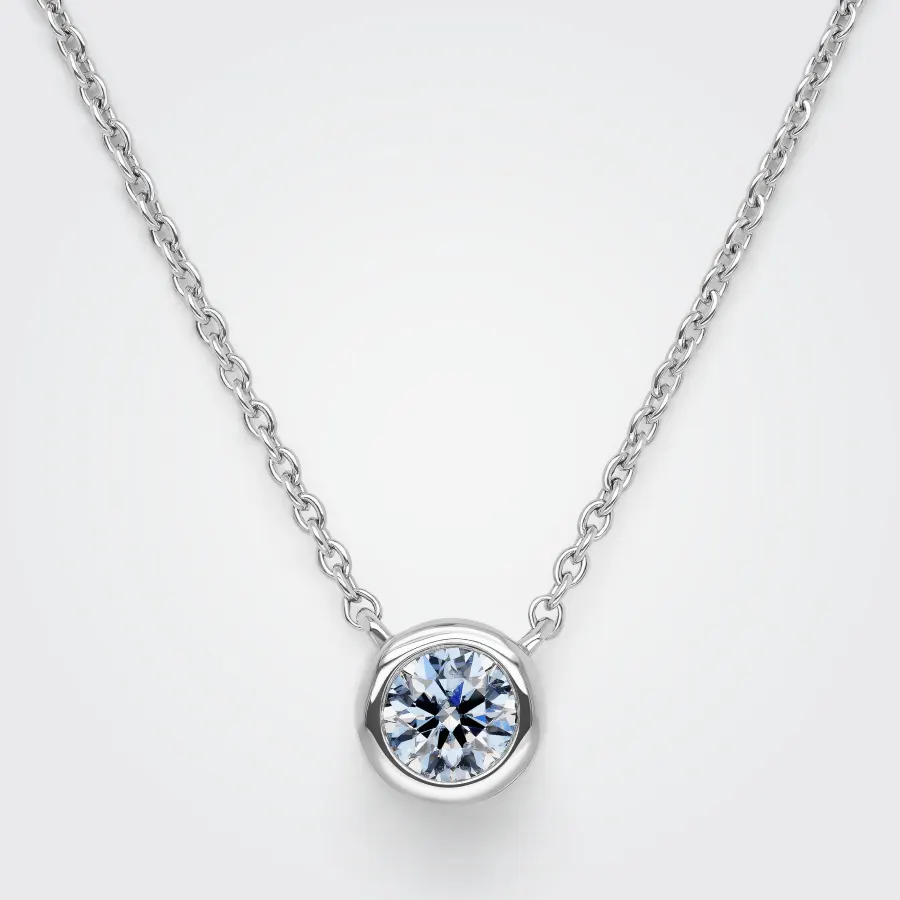
Octavia Rubover
Diamond pendant · natural or lab-grown
Questions?
Talk it through with us
Call our team or book a visit to try before you buy.
Book a visit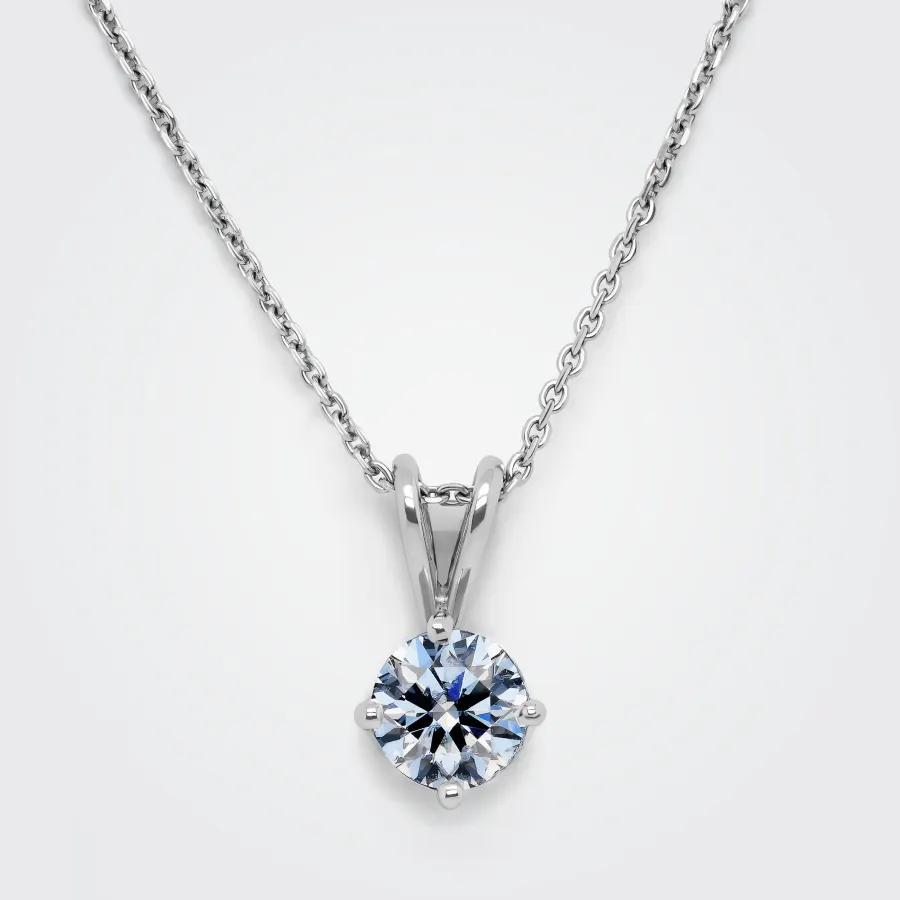
Ellie Drop
Diamond pendant · natural or lab-grown
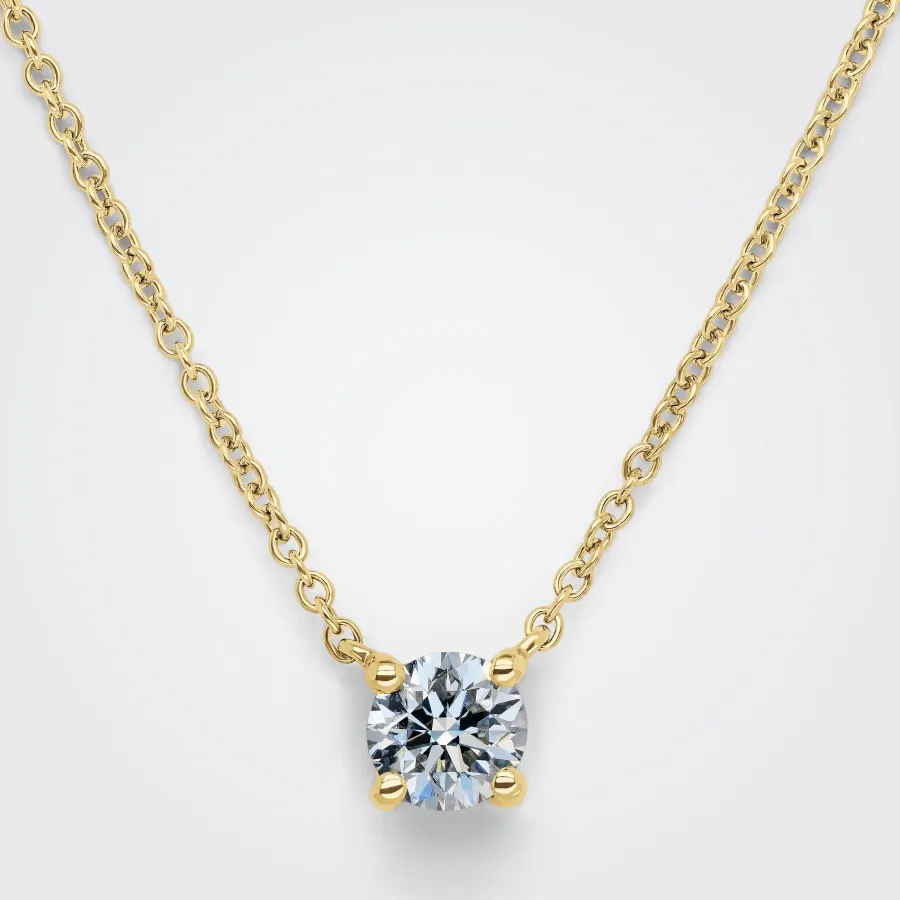
Caroline Four Claw
Diamond necklace · natural or lab-grown
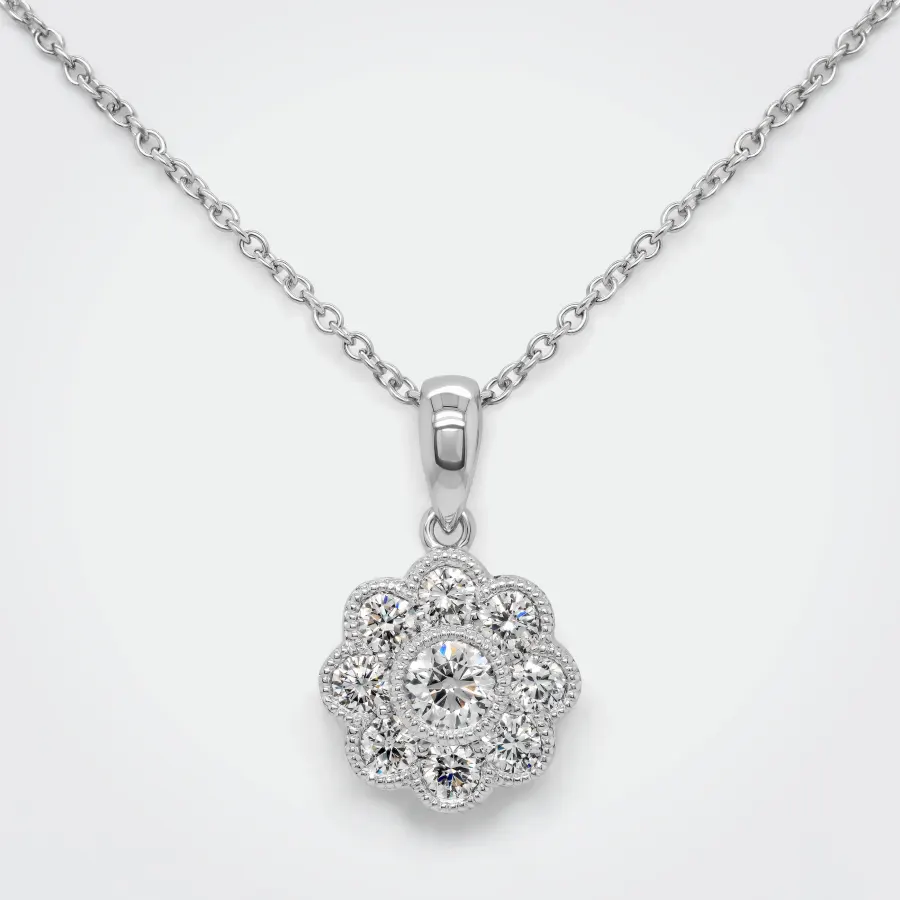
Olive Round Cluster
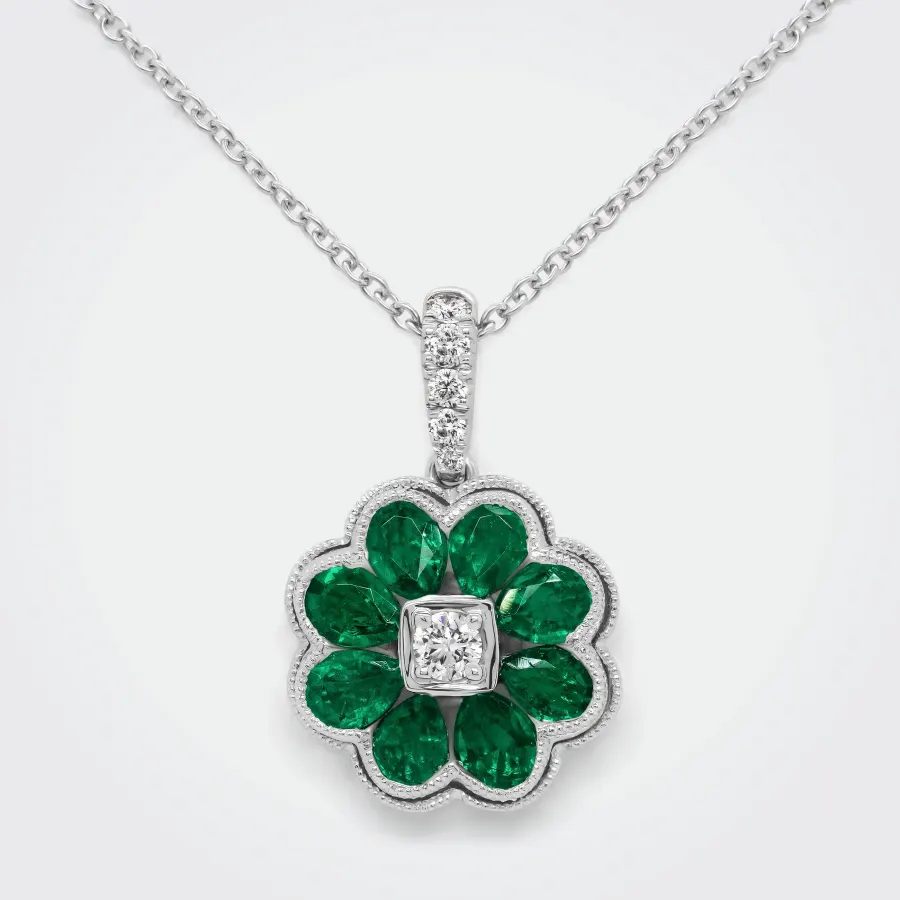
Keia Green Emerald
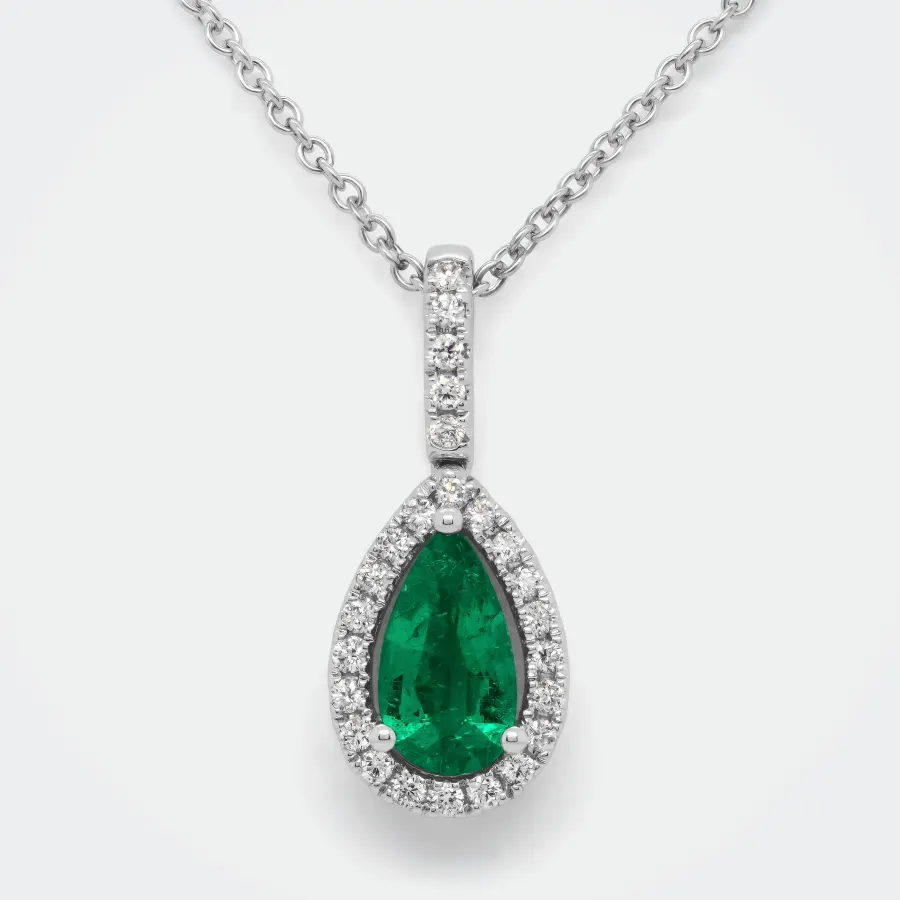
Audrey Green Emerald
0.56ct
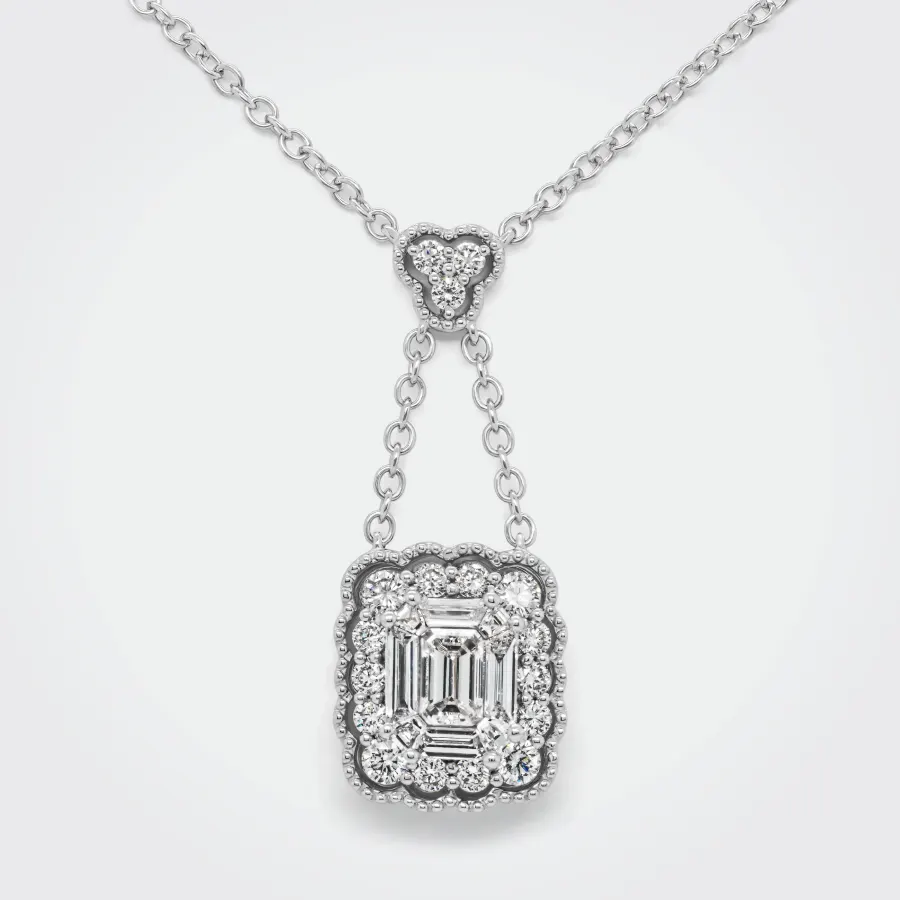
Remi Emerald Cluster
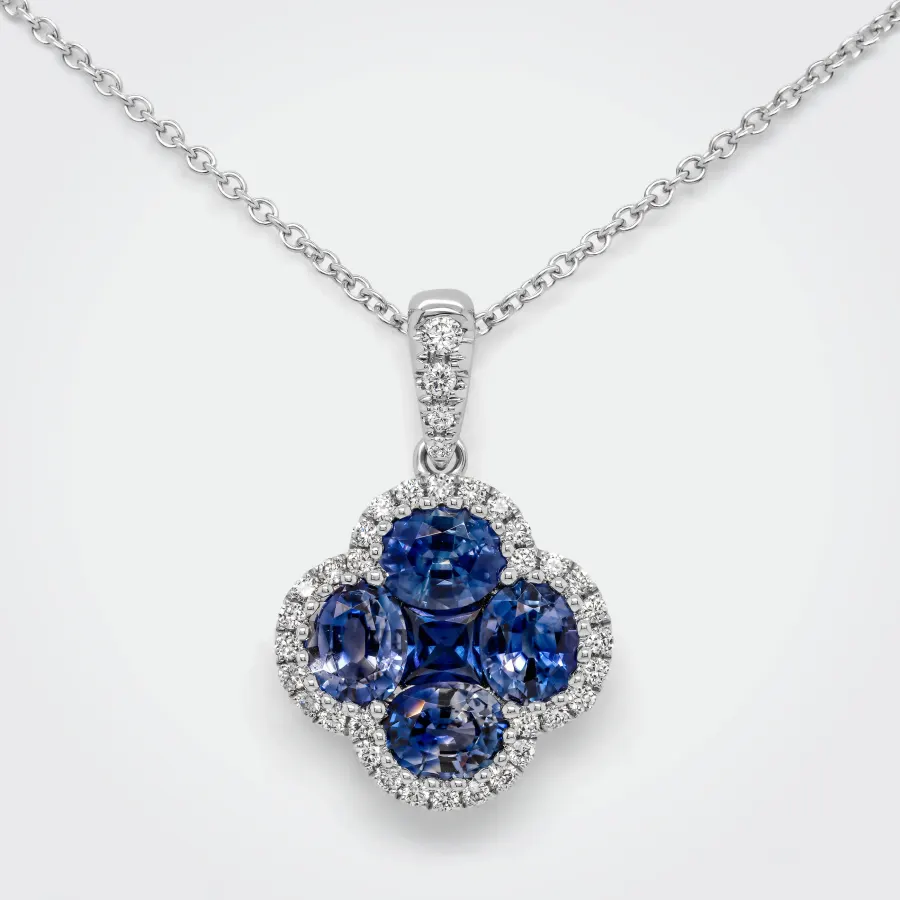
Sofia Sapphire Cluster
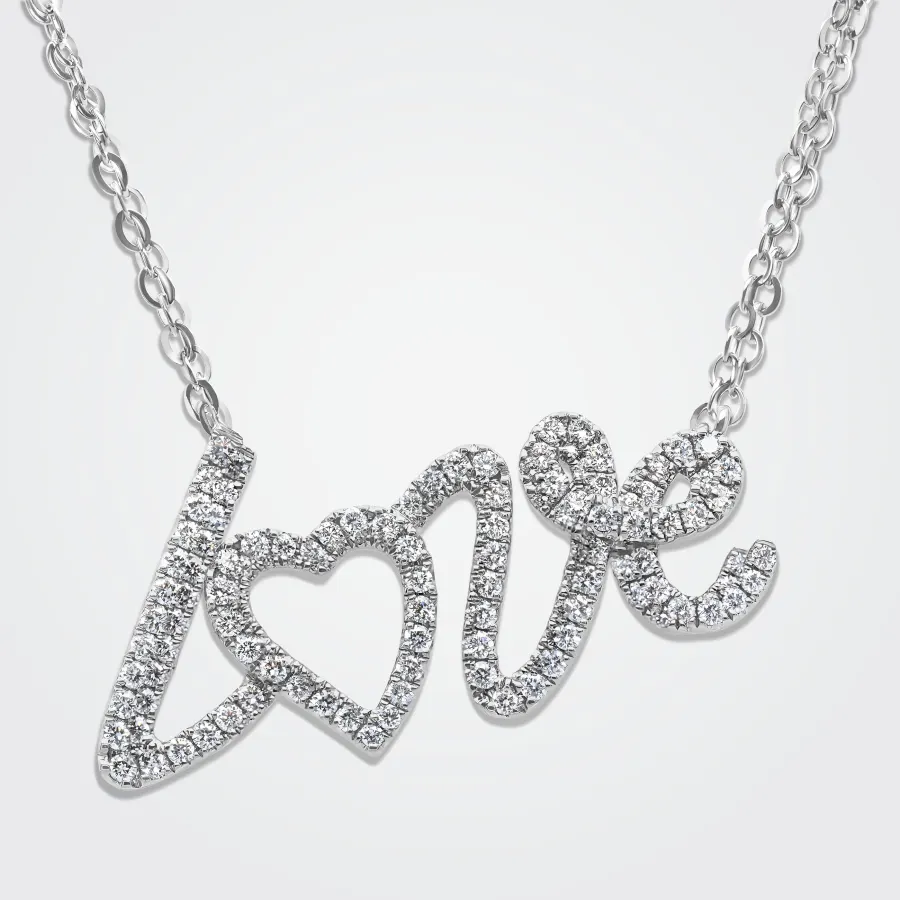
Love Encrusted
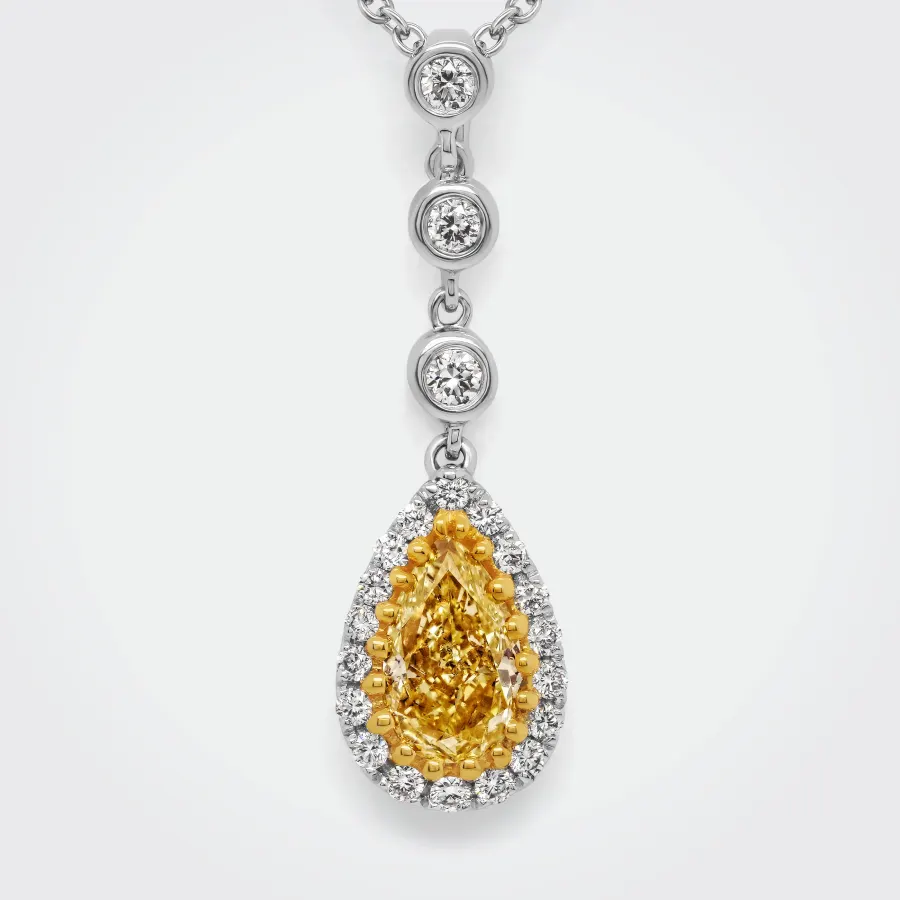
Pippa Pear Yellow 18ct
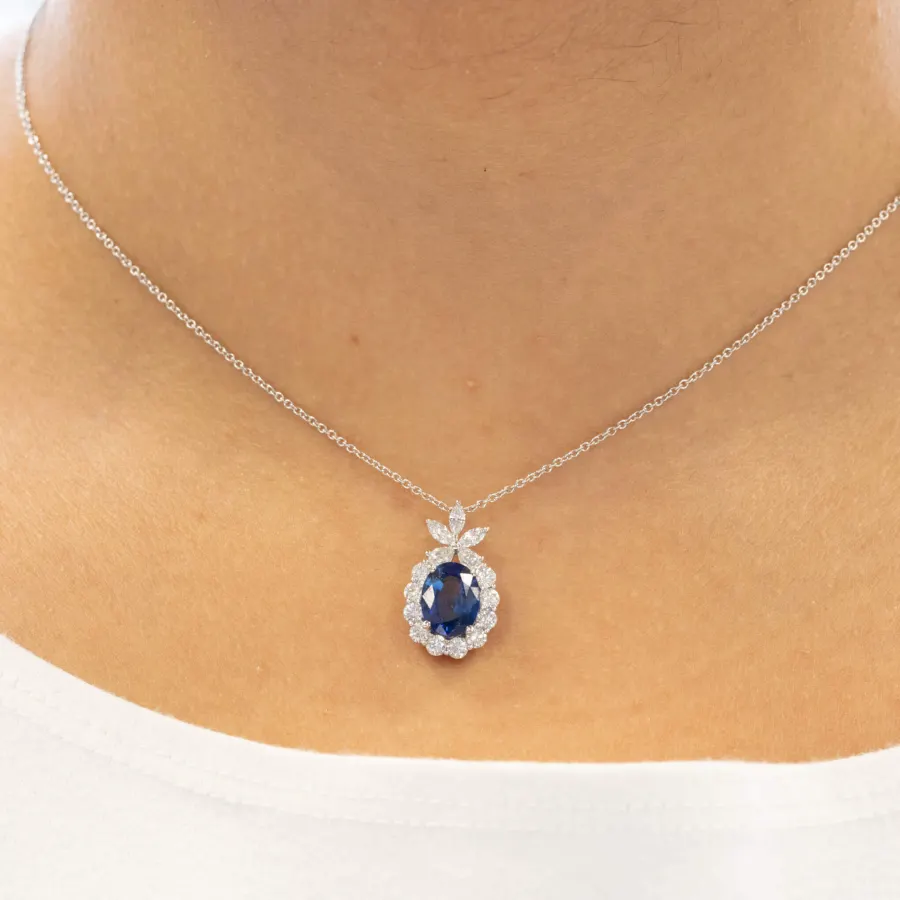
Ginny Sapphire Cluster
2.48ct
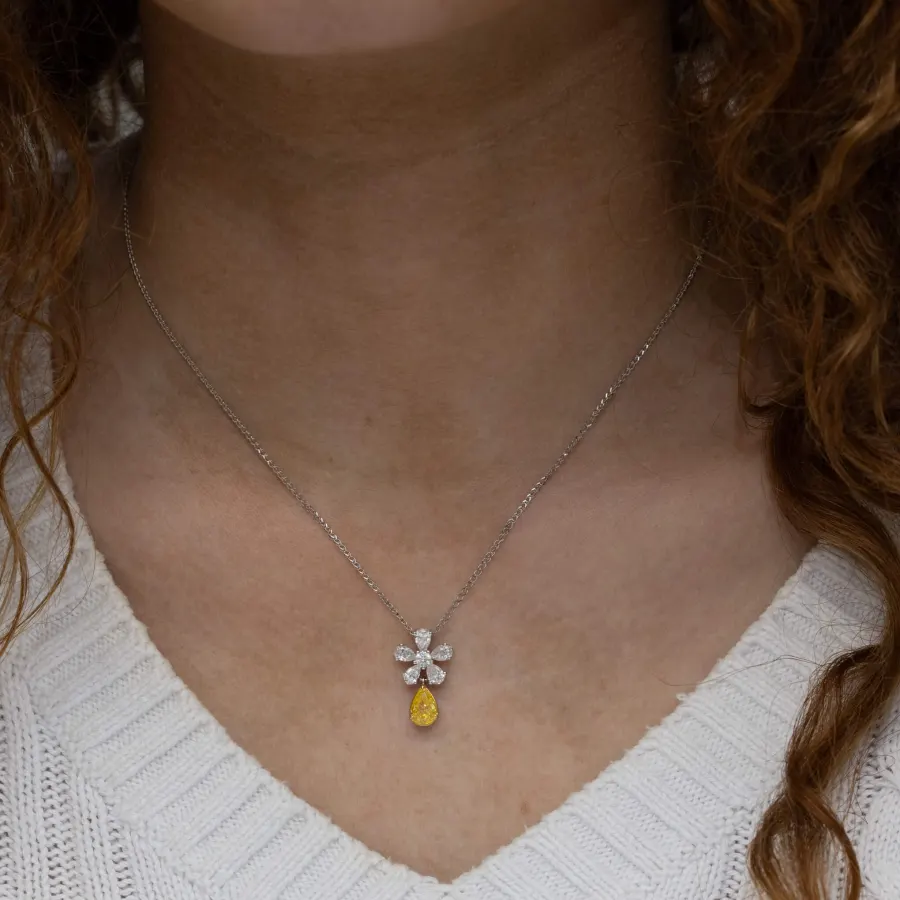
Harper Pear Yellow Flower Cluster 18ct
1.52ct
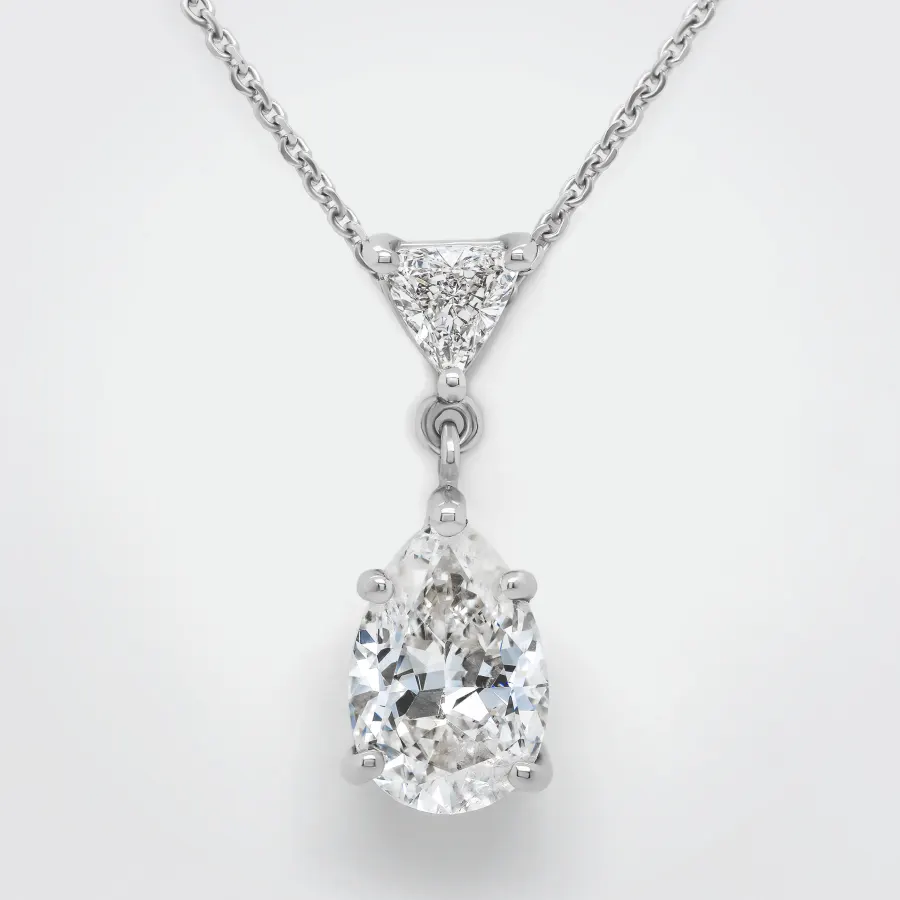
Lynette Pear Cut Hanging Fancy
2.01ct
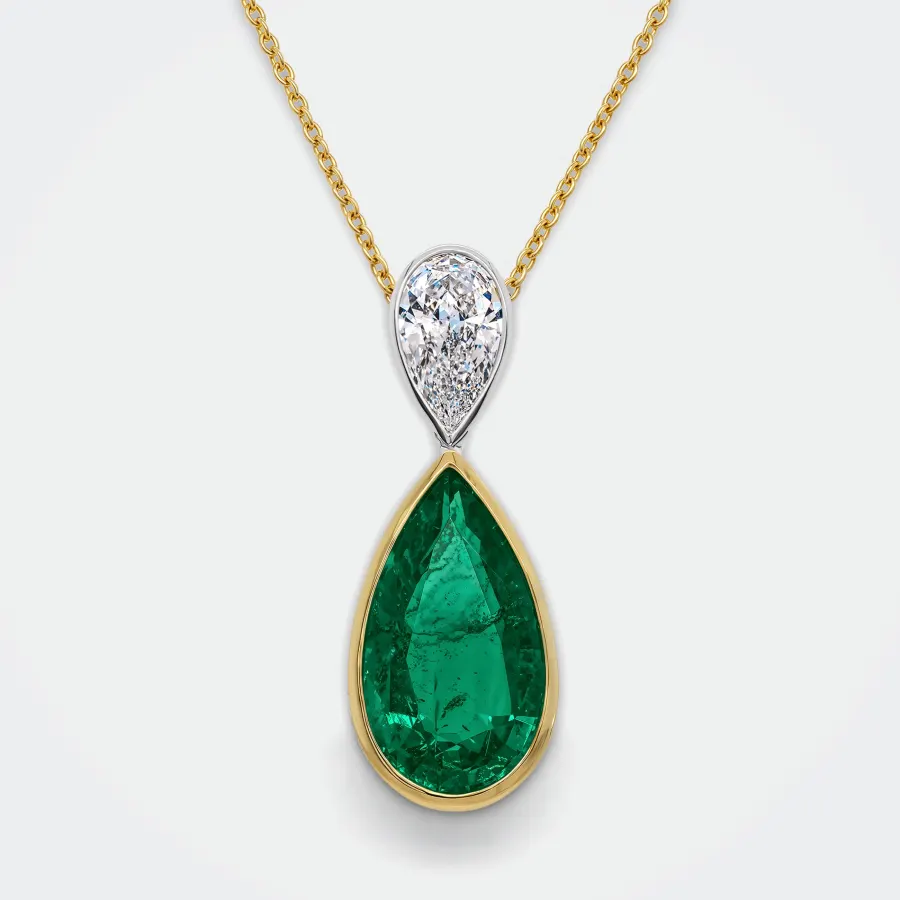
Mona Green Emerald
6.44ct
No design matches that mix.

Not sure where to start? Come and meet us over a single malt or a coffee, and try the rings on. We'll walk you through everything at your pace.
What is a diamond pendant?
A pendant is a single design that hangs from a chain, and together they make a necklace. The stone sits at the base of the throat or just below it, which is why it frames the face so well. A solitaire with one stone is the classic. Cluster, encrusted and drop designs add more detail and more movement.
The chain matters as much as the stone. A fine chain keeps attention on the diamond, while a heavier one gives a more confident look. Both can be worn alone or layered with other necklaces, so you can start with one piece and add to it over time.
Most people choose the stone first and then the metal. White gold and platinum keep the diamond looking cool and bright, yellow gold gives a warmer glow, and rose gold has a soft, pinkish tone that suits many skin tones.
Which length of chain suits you?
Shorter chains sit close to the collarbone and suit open necklines. Longer chains drop lower and layer with other necklaces. If you are unsure, bring the top or dress you plan to wear it with, or try a few lengths on in the showroom and see which sits where you like.
A shorter chain gives a neat, close line that stays put as you move. A longer one hangs lower and draws the eye down the front. The difference is easier to see than to describe, so ask us to show you both on the same stone.
Think about how you will wear it most days. A necklace for the office can be small and quiet, while one for evenings can carry a bigger stone or a cluster of them.
Chains can also be worn at different heights on different days, so a necklace you love can change how it looks with a plain shirt, a knit or an evening dress. Try the same piece at two lengths before you choose.
Which settings and shapes can you choose?
Round stones are the most common here and give the most sparkle. Pear shapes give a longer line, and coloured gemstones such as emerald and sapphire add colour. Claw settings lift the stone so light reaches it from every side. Rubover settings wrap the stone in a band of metal for a smooth, close look that sits snug against the skin.
Choose white, yellow or rose gold or platinum, with a natural or lab-grown stone. Every piece is made in Hatton Garden, and you can see how a natural stone and a lab-grown one compare in person before you decide.
Small details change the feel too. A thin bail, the loop that holds the chain, looks delicate, while a wider one looks bolder. Ask to see a design from the side as well as the front.
Choosing a necklace as a gift
A necklace is easy to give because there is no size to guess. Think about how the person dresses: a small solitaire for every day, a cluster for evenings. Each piece on this page shows its price, and delivery in the UK is free and insured.
If you can, notice what they already wear. Gold or silver tones, long chains or short, big stones or small: a piece that matches what is already in their jewellery box will be worn more often than one that does not.
A gift is also easier to enjoy when you have seen it first, so you can check the stone catches the light the way you hoped it would. See more ideas on our gifts page, or book a visit and look at a few in person at Hatton Garden or King Street, Manchester.
- Every diamond certified and conflict-free
- Hallmarked by the UK Assay Office
- Lifetime care guarantee
- Free insured UK delivery
- 60-day returns or exchange
- Complimentary engraving
Before you choose
See them before you decide
Hatton Garden, on Ely Place, and King Street, Manchester. Looking for something to go with it? Wedding bands